Archives
- 2026-09
- 2026-08
- 2026-07
- 2026-06
- 2026-05
- 2026-04
- 2026-03
- 2026-02
- 2026-01
- 2025-12
- 2025-11
- 2025-10
- 2025-09
- 2025-03
- 2025-02
- 2025-01
- 2024-12
- 2024-11
- 2024-10
- 2024-09
- 2024-08
- 2024-07
- 2024-06
- 2024-05
- 2024-04
- 2024-03
- 2024-02
- 2024-01
- 2023-12
- 2023-11
- 2023-10
- 2023-09
- 2023-08
- 2023-07
- 2023-06
- 2023-05
- 2023-04
- 2023-03
- 2023-02
- 2023-01
- 2022-12
- 2022-11
- 2022-10
- 2022-09
- 2022-08
- 2022-07
- 2022-06
- 2022-05
- 2022-04
- 2022-03
- 2022-02
- 2022-01
-
Introduction Glaucoma consists of a group
2025-02-13
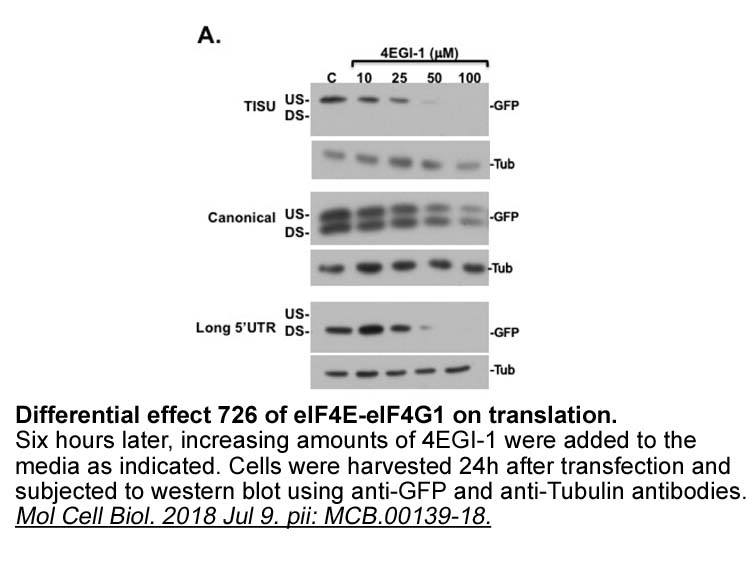
Introduction Glaucoma consists of a group of eye diseases showing a broad spectrum of clinical presentation and unknown aetiologies, that lead to a permanent loss of visual function due to the death of retinal ganglion Aminophylline and damage of the optical nerve. It is well accepted that a critic
-
HDAC6 pathway modulator The cellular mechanism underlying th
2025-02-13
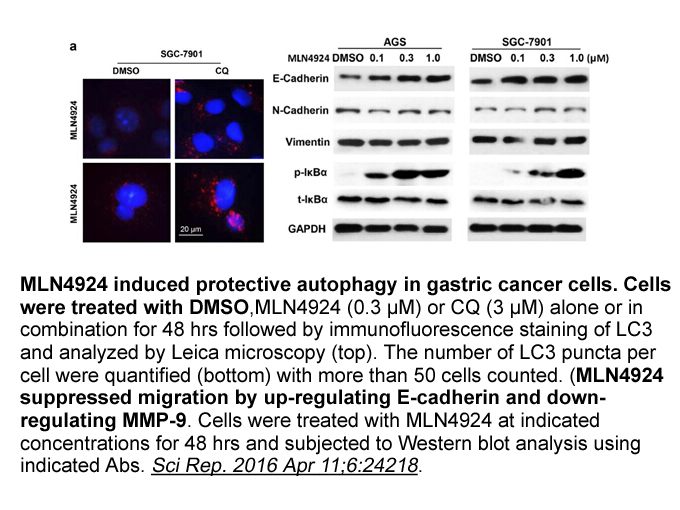
The cellular mechanism underlying the CGS12066-mediated inhibition of glutamate release from hippocampal nerve terminals through presynaptic 5-HT1B receptors remains to be elucidated. 5-HT1B receptors are coupled to PTX-sensitive G proteins (Gi or Go) that have been shown to inhibit AC activity as w
-
It has been reported that HT R
2025-02-13
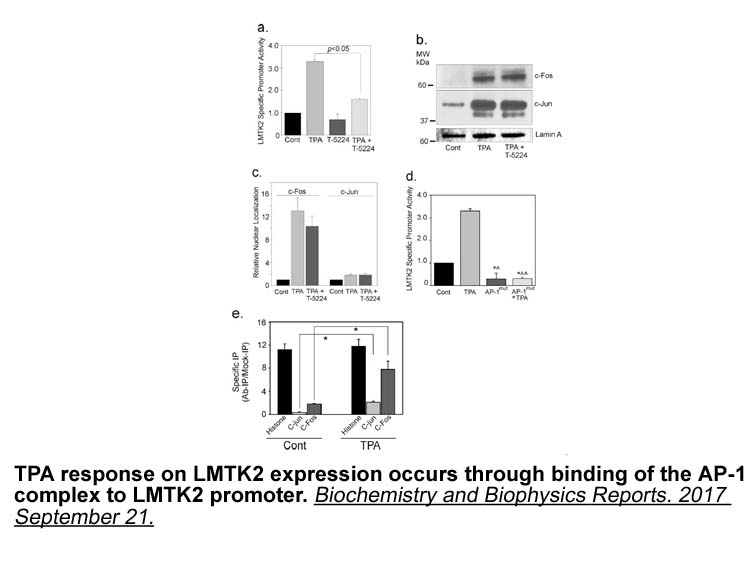
It has been reported that 5-HT2R involves in type 2 diabetes mellitus and 5-HT-induced IR [22,23]. The present study also demonstrated that it is 5-HT2R rather than other 5-HT receptors, including 5-HT1BR and 5-HT7R, in the liver that mediates HFD-induced abnormality of hepatic lipid metabolism, and
-
In eukaryotes class III ACs including GCs are almost
2025-02-13

In eukaryotes, class III ACs (including GCs) are almost universally present, with the noteworthy exception of higher plants. Our dataset comprises 9690 sequences of class III nucleotide cyclases from 710 eukaryotic species. Approximately 80% thereof belong to subclass IIIa and 10% to subclasses IIIb
-
Small RhoGTPases are single domain nucleotide dependent bina
2025-02-13
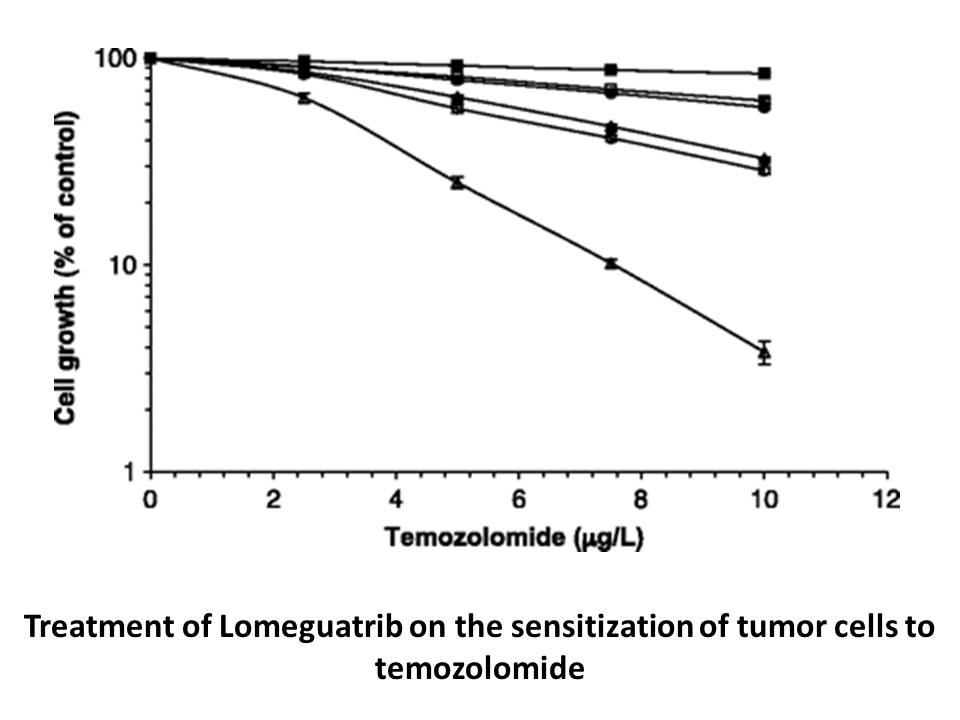
Small RhoGTPases are single-domain nucleotide-dependent binary switches that act as highly-tuned regulators in signal transduction [1]. The cycling between active GTP-bound and inactive GDP-bound forms allows RhoGTPases to bind to or to dissociate from downstream effectors, respectively [2]. Guanine
-
The structure of LO is
2025-02-13
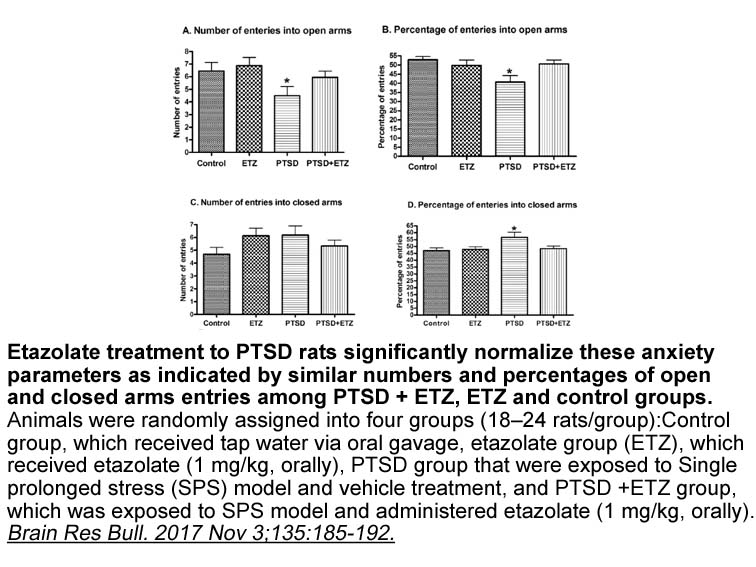
The structure of 5-LO is divided in two domains, the catalytic C-terminal domain and the N-terminal regulatory C2-like domain (C2ld) [59,60]. The C2ld spans the wdr5 synthesis 1-114 and is responsible for translocation and binding of calcium and membranes [61–63]. The catalytic domain is primarily
-
Cepharanthine Regarding the HT B receptors they act
2025-02-13
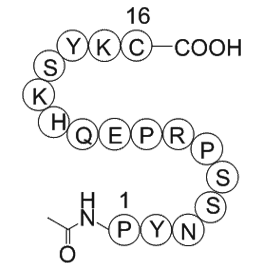
Regarding the 5-HT1B receptors, they act as terminal receptors and are involved in the presynaptic regulation of the release of 5-HT. But at spinal level these receptors are principally situated post-synaptically (Sari, 2004). The ability of autoreceptors to regulate extracellular levels of 5-HT dur
-
Phenolic compounds show reciprocal relationship
2025-02-12
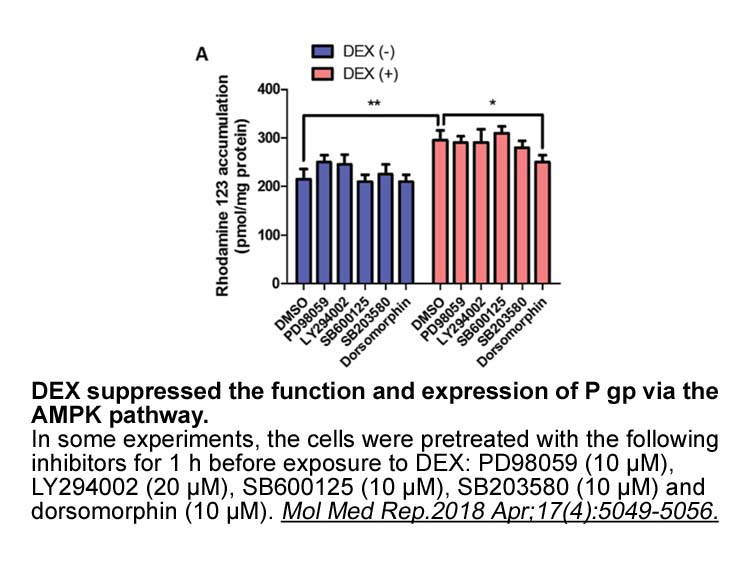
Phenolic compounds show reciprocal relationship with colonic microflora. Phenolic compounds are able to improve colonic health and modulate microbiota diversity with prebiotic and antimicrobial functions, while colonic bacterial enzymes catalyze deconjugation, dehydroxylation, and convert phenolic c
-
br Conclusions Our study confirms that N terminal mutations
2025-02-12
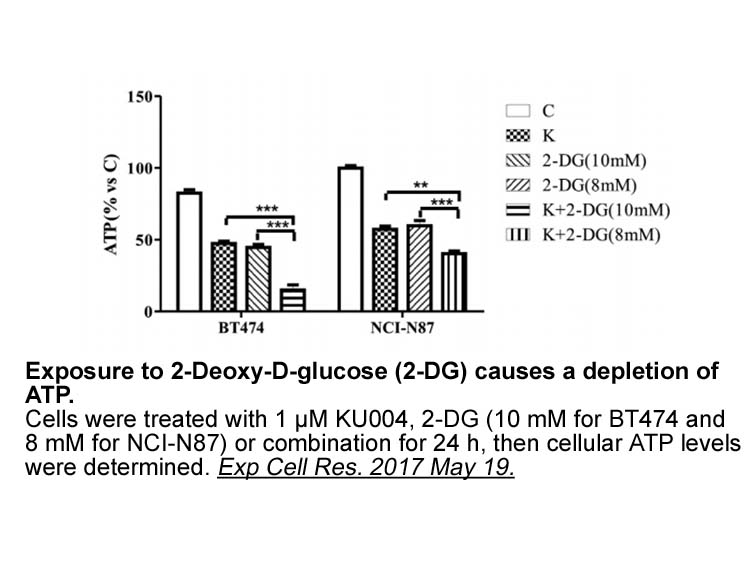
Conclusions Our study confirms that N-terminal mutations can affect Aβ fibril and oligomer formation, despite lying outside the core amyloid region of Aβ. Of the three factors that may influence Aβ-mediated toxicity (primary structure of Aβ, assembly structure and cellular responses), our results
-
APP is a member of a conserved protein family that
2025-02-12
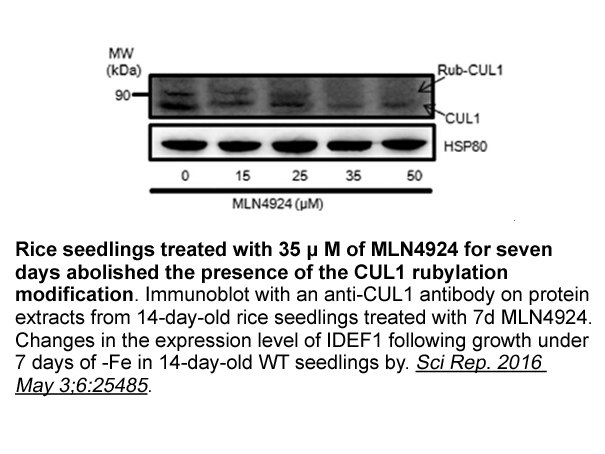
APP is a member of a conserved protein family that also includes amyloid precursor-like proteins 1 and 2 (APLP1, APLP2).8, 9, 10 The proteins in this family are type I single-pass transmembrane Isochlorogenic acid C with receptor-like structural features but not entirely clear cellular functions.11
-
br Concluding Remarks and Future Perspectives Herein we
2025-02-12
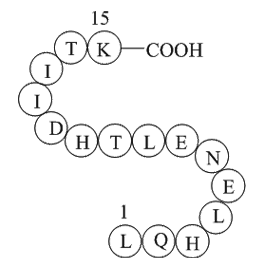
Concluding Remarks and Future Perspectives Herein, we have highlighted our current understanding of the role of the LKB1-AMPK pathway and its related kinases in β cell biology. β cell-specific genetic models have been particularly useful in delineating precise roles for individual family members
-
br The role of LOX plays
2025-02-12
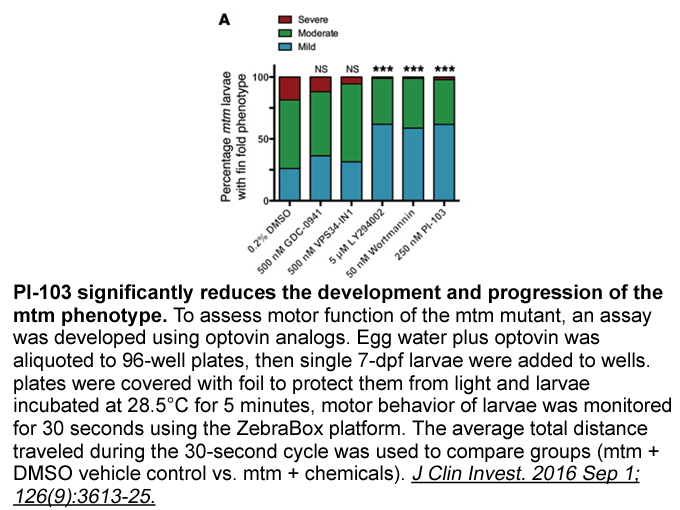
The role of 12/15-LOX plays in autophagy Autophagy is a process by which cellular material is delivered to lysosomal to degrade the damaged organelles and proteins to facilitate nutrient recycling (Towers and Thorburn, 2016). There has been characterized three types of autophagy-macroautophagy, m
-
Globally the total number of patients included in the meta
2025-02-12
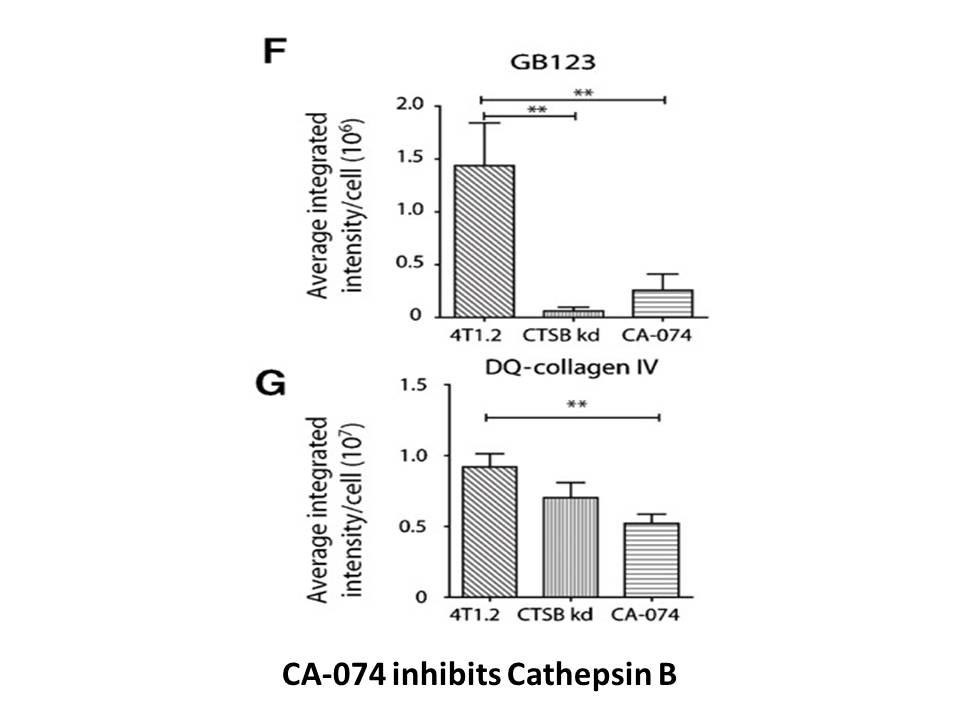
Globally, the total number of patients included in the meta-analysis was 1885, ranging from 40 to 442 patients per study. All eligible studies reported the association between ALDH1 expression and patients' OS [24-26, 3241], whereas nine studies evaluated the relationship between ALDH1 expression an
-
br ABCA modulates intracellular sphingolipid
2025-02-12
ABCA2 modulates intracellular sphingolipid metabolism in the LE/LY Recycling of plasma membrane lipids that occurs by constitutive endocytosis and vesicularization of complex glycolipids, complex sphingolipids and cholesterol as well as free cholesterol liberated from LDL after receptor-mediated
-
Aurora B is also very important in proper cytokinesis In
2025-02-11
Aurora-B is also very important in proper cytokinesis. In the absence of Aurora-B mediated phosphorylation of Ser72 in vimentin, the two daughter cells remain attached to each other through bridges of cytoplasm; cytokinesis fails [31]. Other Aurora-B dependent proteins that are important for cytokin
7935 records 46/529 page Previous Next First page 上5页 4647484950 下5页 Last page