Archives
- 2026-07
- 2026-06
- 2026-05
- 2026-04
- 2026-03
- 2026-02
- 2026-01
- 2025-12
- 2025-11
- 2025-10
- 2025-09
- 2025-03
- 2025-02
- 2025-01
- 2024-12
- 2024-11
- 2024-10
- 2024-09
- 2024-08
- 2024-07
- 2024-06
- 2024-05
- 2024-04
- 2024-03
- 2024-02
- 2024-01
- 2023-12
- 2023-11
- 2023-10
- 2023-09
- 2023-08
- 2023-07
- 2023-06
- 2023-05
- 2023-04
- 2023-03
- 2023-02
- 2023-01
- 2022-12
- 2022-11
- 2022-10
- 2022-09
- 2022-08
- 2022-07
- 2022-06
- 2022-05
- 2022-04
- 2022-03
- 2022-02
- 2022-01
- 2021-12
- 2021-11
- 2021-10
- 2021-09
- 2021-08
- 2021-07
- 2021-06
- 2021-05
- 2021-04
- 2021-03
- 2021-02
- 2021-01
- 2020-12
- 2020-11
- 2020-10
- 2020-09
- 2020-08
- 2020-07
- 2020-06
- 2020-05
- 2020-04
- 2020-03
- 2020-02
- 2020-01
- 2019-12
- 2019-11
- 2019-10
- 2019-09
- 2019-08
- 2019-07
- 2018-07
-
Physiological changes induced by CRF are mediated through CR
2019-11-19
Physiological changes induced by CRF are mediated through CRF1 and CRF2 receptors (Chang et al., 1993, Lovenberg et al., 1995). Previous findings with CRF1 receptor antagonists showed that activation of CRF1 receptor is involved in maternal separation-induced ultrasonic vocalizations (Kehne et al.,
-
Furthermore the determination of downstream target genes ind
2019-11-19
Furthermore, the determination of downstream target genes induced by CdCl2 is noteworthy and can help to define its underlying carcinogenesis mechanism. Therefore, we evaluated c-fos and c-jun expression which are stimulated by estrogen through ERK/MAPK pathway. These are not only proto-oncogenes wh
-
Introduction Ewing sarcomas primitive neuroectodermal tumors
2019-11-19
Introduction Ewing sarcomas/primitive neuroectodermal tumors (ES/PNETs) are relatively infrequent but the second most common sarcoma of the bone next to osteosarcoma. Nearly 80% of them occur in persons younger than 20years. Most of them arise from the bone, but 10 to 20% of them from soft tissue.
-
br Conclusions We can conclude that Arg is important but
2019-11-19
Conclusions We can conclude that Arg293 is important but not indispensable for MeGlcA recognition by EcXyn30A since the R293A variant still retains activity and preference for MeGlcA-substituted substrates. The substrate specificity of GH30_8 glucuronoxylanases is most probably determined by an o
-
Introduction Pain is frequently the first clinical
2019-11-19
Introduction Pain is frequently the first clinical symptom of head and neck carcinoma. Indeed, pain is the initial reason leading ∼70% of cancer patients to seek professional assistance (Lam & Schmidt, 2011; Rettig & D’Souza, 2015; Schmidt, 2014). Clinically, cancer-induced facial pain can be evoke
-
br Materials and Methods br Results br
2019-11-19
Materials and Methods Results Discussion Viral infection of eukaryotic Methimazole australia activate signaling pathways both via specific interaction with pattern recognition receptors (TLRs, RIG-I, MDA5) and more nonspecific mechanisms such as accumulation of newly synthesized viral glyc
-
WNV a member of the genus Flavivirus within the family
2019-11-19
WNV, a member of the genus Flavivirus within the family Flaviviridae, was first isolated in 1937 from a febrile woman in the West Nile region of Uganda (Brinton, 2002). Until 1999, WNV was mainly confined to Southern Europe, the Middle East, Africa, West and Central Asia, Indonesia and Australia. In
-
br Substoichiometric substrate modification E ligases
2019-11-19
Substoichiometric substrate modification E3 ligases catalyze the rapid transfer of the SUMOD from the E2 enzyme to the substrate. By definition, enzymes are recycled in the reaction, allowing multiple rounds of substrate modification by a single enzyme. Thus, enzymes function at substoichiometric
-
Twin studies have shown that P has moderate
2019-11-19
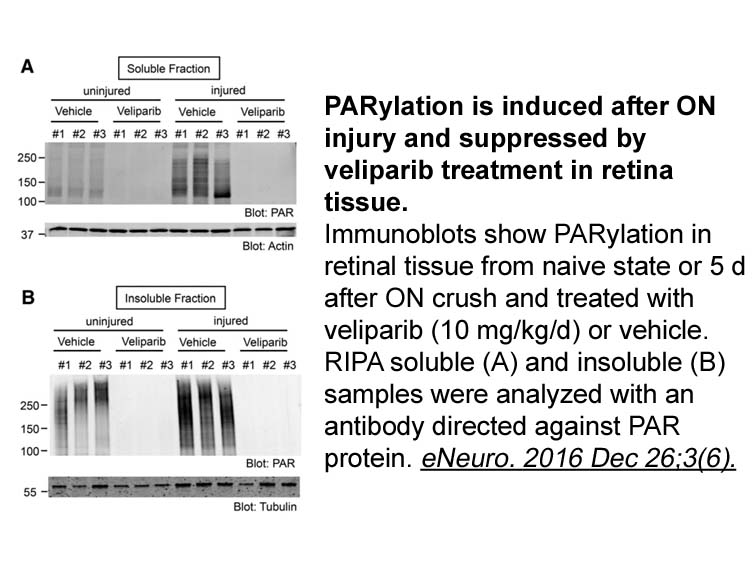
Twin studies have shown that P has moderate heritability. Zuckerman (1989) reviewed the earlier studies of P or related traits and found a median heritability of 0.51. However, twin studies using an Eysenckian P scale have tended to estimate somewhat lower heritabilities than this, in the range 0.36
-
The data from the Sur lab have showed
2019-11-19
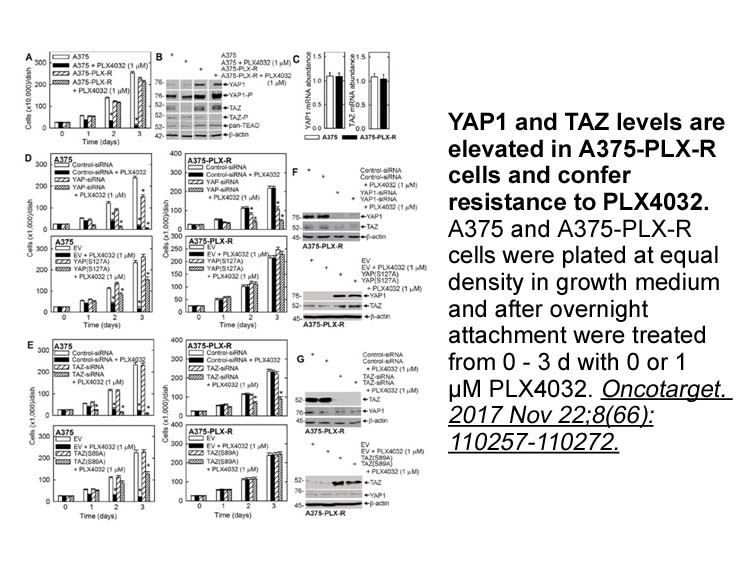
The data from the Sur lab have showed DNA-PK is involved in metabolic gene regulation in response to insulin. DNA-PK regulates fatty Sodium Aescinate synthesis synthesis by modulating the protein expression of fatty acid synthase (FAS) in a feeding-dependent manner. DNA-PK induces the activation of
-
Introduction The inflammation process involves sequential ac
2019-11-18

Introduction The inflammation process involves sequential activation of signaling molecules, pro-inflammatory mediators, such as prostaglandins, leukotrienes, and oxygen free radicals [1]. Two cyclooxygenases LY2857785 were responsible for activation of the production of prostaglandins (PG1s) and
-
Previous studies have documented that SCFAs may elicit effec
2019-11-18
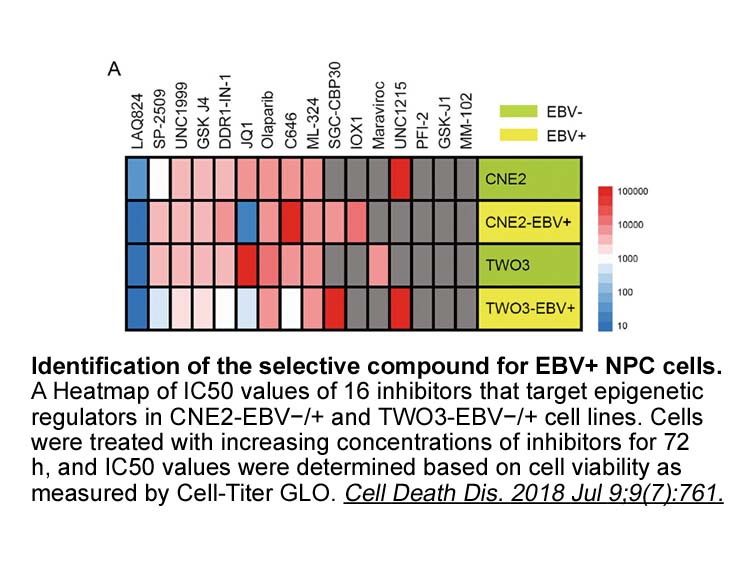
Previous studies have documented that SCFAs may elicit effects on lipid metabolism via de novo synthesis and transport. Acetate is not only used as an energy source, but is also constituted as a substrate for the cholesterol synthesis in the liver through acetyl-CoA, thus affecting plasma cholestero
-
br RING type E s and their
2019-11-18
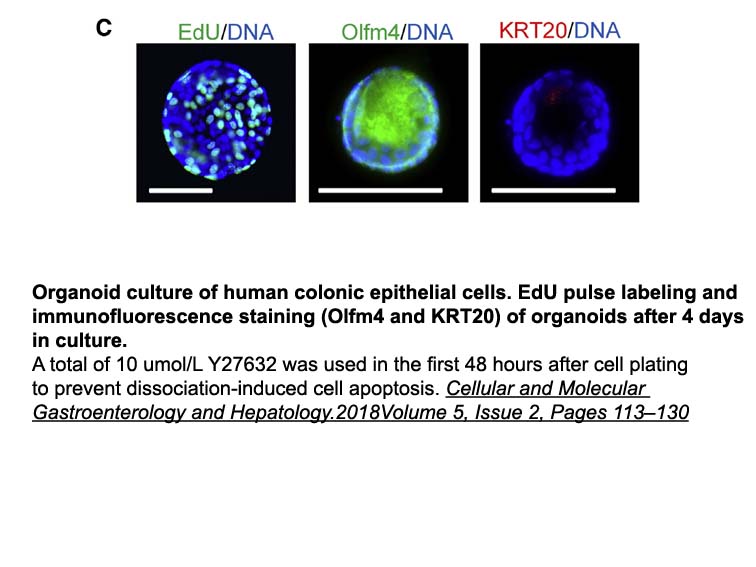
RING-type E3s and their substrates There is enormous diversity in substrate ubiquitination and its regulation, as the targets of RING-type E3s are incredibly varied. RING-type E3s are implicated as tumor suppressors, oncogenes, and mediators of endocytosis, and play critical roles in complex mult
-
The mitogen activated protein kinase MAPK family
2019-11-18
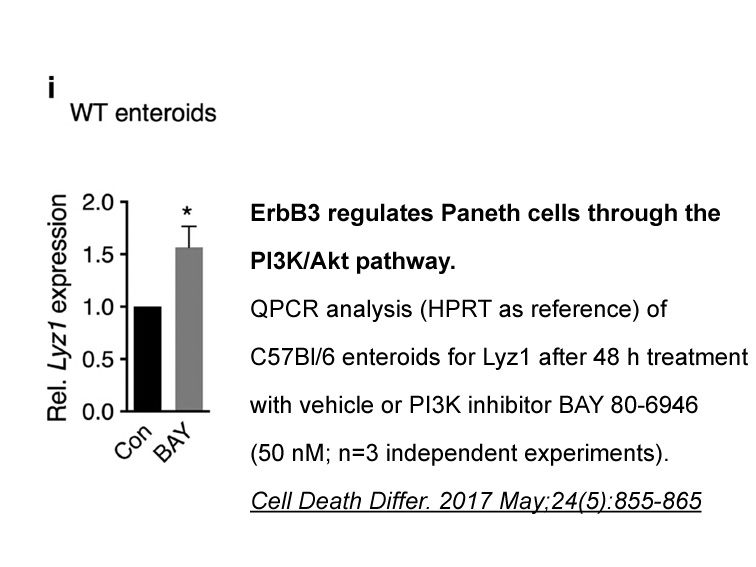
The mitogen-activated protein kinase (MAPK) family, which consists of extracellular signal-regulated protein kinase 1/2 (ERK1/2), p38 MAPK, and c-Jun N-terminal kinase (JNK), is involved in the development of NP (Hung et al., 2012, Ji et al., 2009). Recently, Zhuang et al. (2005) demonstrated that t
-
The interaction of EPAC with Rim has an
2019-11-18
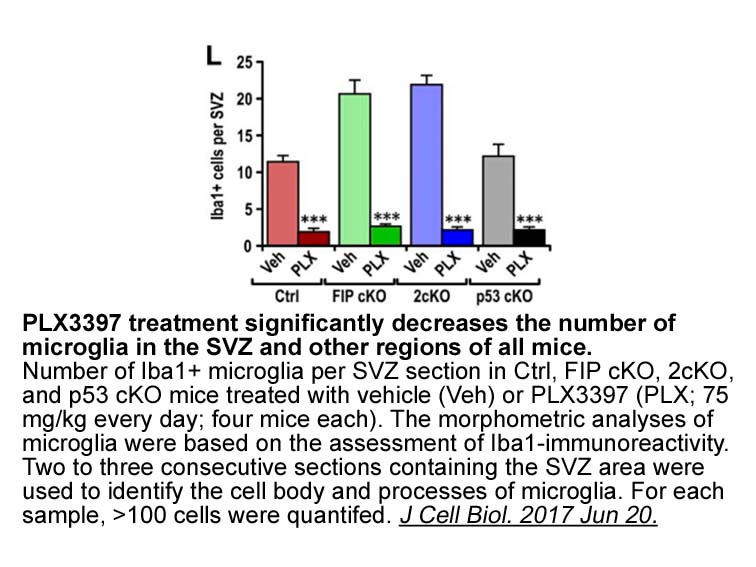
The interaction of EPAC2 with Rim1 has an important role in regulating neurotransmitter release. In addition, a recent EPAC2 knockout mice model study provides evidence that EPAC2 promotes transmitter release by maintaining the readily releasable pool (RRP) at mossy fiber (MF) synapses in the hippo
14957 records 939/998 page Previous Next First page 上5页 936937938939940 下5页 Last page